
Andrea (Andi) Watson
LPCSouth Carolina · 3 yrs exp
Licensed Professional Counselor - Life changes and anxiety
Stress, Anxiety · LGBT · Self esteem · Depression · +1 more
Read profileUS counselors who list coping with life changes
In crisis? Call or text 988Therapist listings come from BetterHelp. We will earn a commission at no extra cost to you if you use our links to buy.
Profiles on this page are grouped under the listed location South Carolina so you can compare focus areas, therapeutic approaches, credentials, languages, and experience. Browse the profiles below to find counselors who list coping with life changes and check each profile to confirm a therapist's credentials and permission to work with you where you live.
South Carolina · 3 yrs exp
Licensed Professional Counselor - Life changes and anxiety
Stress, Anxiety · LGBT · Self esteem · Depression · +1 more
Read profile
South Carolina · 5 yrs exp
Licensed Professional Counselor - Stress and Life Changes
Stress, Anxiety · Addictions · Self esteem · Depression · +1 more
Read profile
South Carolina · 15 yrs exp
Licensed Professional Counselor - Life changes and trauma
Stress, Anxiety · LGBT · Family · Trauma and abuse · +14 more
Read profile
South Carolina · 26 yrs exp
Licensed counselor - Life changes and career
Self esteem · Career · Coping with life changes · Coaching · +7 more
Read profile
South Carolina · 8 yrs exp
Licensed Professional Counselor - Stress and Life Changes
Stress, Anxiety · Trauma and abuse · Anger · Bipolar · +13 more
Read profile
South Carolina · 4 yrs exp
Licensed social worker - Life changes and mood concerns
Stress, Anxiety · Relationship · Self esteem · Depression · +1 more
Read profile
South Carolina · 4 yrs exp
LISW-CP - life changes and relationships
Stress, Anxiety · Grief · Intimacy-related issues · Parenting · +12 more
Read profile
South Carolina · 20 yrs exp
LISW - Stress and life changes specialist
Stress, Anxiety · Relationship · Self esteem · Depression · +10 more
Read profile
South Carolina · 20 yrs exp
Licensed Independent Social Worker - Stress and Life Changes
Stress, Anxiety · Addictions · Relationship · Trauma and abuse · +15 more
Read profile
South Carolina · 5 yrs exp
Licensed Professional Counselor - Relationships and Life Changes
Relationship · Family · Trauma and abuse · Intimacy-related issues · +15 more
Read profile
South Carolina · 40 yrs exp
LPC counselor - stress and life changes
Stress, Anxiety · Trauma and abuse · Self esteem · Depression · +1 more
Read profile
South Carolina · 4 yrs exp
Licensed Professional Counselor - Life transitions and family concerns
Family · Trauma and abuse · Grief · Self esteem · +1 more
Read profile
South Carolina · 4 yrs exp
LPC in South Carolina - Trauma and life changes
Trauma and abuse · Coping with life changes · ADHD
Read profile
South Carolina · 3 yrs exp
Licensed social worker - life changes and addiction
Stress, Anxiety · Addictions · Grief · Parenting · +1 more
Read profile
South Carolina · 3 yrs exp
LISW-CP focused on life changes and mood
Stress, Anxiety · Grief · Sleeping · Depression · +1 more
Read profile
South Carolina · 26 yrs exp
LPC counselor - life transitions and mood concerns
Stress, Anxiety · Grief · Anger · Depression · +1 more
Read profile
South Carolina · 4 yrs exp
Licensed counselor for stress and parenting
Stress, Anxiety · Relationship · Family · Parenting · +1 more
Read profile
South Carolina · 10 yrs exp
Ohio LPCC, Texas LPC - Stress and life changes
Stress, Anxiety · Relationship · Anger · Depression · +1 more
Read profile
South Carolina · 20 yrs exp
Licensed Professional Counselor - Life changes and relationships
Stress, Anxiety · Relationship · Trauma and abuse · Depression · +1 more
Read profile
South Carolina · 7 yrs exp
Licensed Professional Counselor - Life transitions and mood concerns
Stress, Anxiety · Grief · Self esteem · Depression · +1 more
Read profile
South Carolina · 7 yrs exp
Licensed Professional Counselor - Stress and Life Changes
Stress, Anxiety · Relationship · Self esteem · Depression · +1 more
Read profile
South Carolina · 32 yrs exp
Dr. James Smith - LISW-CP for life changes and mood concerns
Stress, Anxiety · Relationship · Anger · Depression · +4 more
Read profile
South Carolina · 3 yrs exp
Licensed Professional Counselor - Coping and Mood Concerns
Stress, Anxiety · LGBT · Relationship · Family · +9 more
Read profile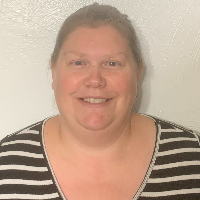
South Carolina · 18 yrs exp
Licensed counselor - Life changes and mood concerns
Stress, Anxiety · Relationship · Trauma and abuse · Self esteem · +13 more
Read profileWhen you are facing a move, a breakup, a new job, retirement, becoming a parent, a bereavement, or another major change, you are likely juggling practical tasks and the emotional weight that comes with uncertainty. You may notice difficulty sleeping, changes in appetite, or trouble concentrating as you adjust to new demands. The emotional experience of a transition can include grief for what is ending, anxiety about what is unknown, relief, excitement, fatigue, and sometimes a sense of drifting without a clear routine. These responses are about adaptation rather than a single label; they reflect how change asks you to reorganize daily rhythms, social supports, and expectations.
Part of the work in this period is learning to build new routines and boundaries that fit your current circumstances. That might mean creating small anchors in the day - a walk, a call with a friend, a structured bedtime - while also making plans for larger shifts like a career pivot or co-parenting arrangement. You may want conversational support to explore identity questions that arise in transitions, such as who you are outside an old role or what you want your next phase to feel like. Talking with a counselor can help you map practical steps alongside emotional coping strategies so that you can move forward with clearer priorities and more realistic expectations.
Profiles on this site show a listed location to group counselors who indicate a connection to South Carolina. That listed location helps you narrow profiles geographically, but it is not evidence that a counselor has an active office at a particular address or that they have permission to practice in every jurisdiction. You should review each profile carefully and contact the counselor to confirm whether they are authorized to work with you where you live. This is especially important if you are considering counseling across state lines or plan to participate from a different state than the counselor's listed location.
Academic degrees and professional licenses are distinct. Degrees such as PhD, PsyD, MD, MA, and MSW describe educational attainment. Professional licenses or registrations indicate legal permission to provide certain services in a jurisdiction and are issued by state boards or other regulatory bodies. A degree alone does not establish current permission to practice. When you look at a profile, note both the academic credentials and any stated licensure, and ask the counselor about the state authority that issued their license and whether it covers your location. Confirming this helps ensure that the professional relationship meets the regulatory expectations applicable to where you live.
When you contact a counselor, prepare concrete questions about their experience with the specific kind of transition you are facing. You might ask which life changes they have worked with recently, how they describe their typical work with someone going through a breakup or relocation, and what kinds of problems they most often help people address during retirement or early parenthood. Asking for examples of how they support someone adjusting to a new job or coping with bereavement can give you a sense of their practical orientation and familiarity with similar concerns.
Ask about therapeutic approaches as options to discuss rather than proof of a particular result. For example, you can ask whether they use cognitive strategies for coping with worry, narrative approaches to reframe identity shifts, or whether they are among therapists who list EMDR among their approaches for trauma-related symptoms. It is appropriate to request how they tailor their style - more directive when you need structure, more exploratory when you need space to process - and to ask how they measure progress together. These questions help you understand how the counselor might support you and whether their style fits what you find most helpful.
If you are considering remote sessions, discuss logistical and safety matters before you begin. Confirm that the counselor has permission to work with you from the place where you will be located during sessions, and ask how they manage recordkeeping, consent, and emergency planning when clients are in different jurisdictions. You should also talk about how they handle communication between sessions, what to expect in an urgent situation, and whether they coordinate with local services or providers if needed. These conversations make clear how the counselor intends to support you across practical realities.
It is also useful to discuss what a typical session might focus on during the early weeks versus later work. You can ask how they help clients prioritize immediate coping strategies for high-stress moments - for example, stabilizing routines after a move - while also working on longer-term adjustments like rebuilding social networks or redefining professional identity. Clarifying these expectations helps reduce uncertainty about process and gives you a sense of how the counselor balances short-term relief and long-term planning.
Comparing profiles requires attention to several concrete elements. Look for focus areas that match the transition you are facing - some counselors list experience with bereavement while others mention career change or becoming a parent. Note the languages spoken, particularly if you prefer counseling in a language other than English, and check whether the profile describes work with particular age groups or life stages. Remember that a listed topic does not establish the counselor treats children, couples, or families; you should discuss your specific needs and confirm the counselor's scope directly.
Review the combination of academic degrees and professional licensure on a profile. A PhD or MSW signals the level of academic training, while the presence of a state license indicates permission to practice in particular ways within a jurisdiction. If you want to compare style, read the descriptive language on the profile to see whether the counselor emphasizes structure, problem-solving, emotion-focused processing, or values exploration. Concrete comparison questions you can use in outreach include asking which transitions they most often work with, how they adapt techniques to your cultural background or family structure, how they approach language accommodations, and what measures they use to track progress together.
In the end, choosing a counselor often comes down to practical fit and mutual agreement about how to proceed. Use the listed location to narrow your search, read profiles to compare focus and approach, and contact counselors to confirm credentials and permission to work with you where you live. That step-by-step approach gives you clearer information to decide who to speak with about the changes that matter most to you.
Addictions
1679 therapists
ADHD
1614 therapists
Anger
2155 therapists
Bipolar
1446 therapists
Control Issues
1105 therapists
Depression
3358 therapists
Grief
2554 therapists
Guilt and Shame
1949 therapists
Impulsivity
956 therapists
Intimacy Issues
1381 therapists
Isolation / Loneliness
1800 therapists
Mood Disorders
1455 therapists
Panic Disorder and Panic Attacks
1184 therapists
Post-Traumatic Stress
1615 therapists
Self Esteem
3535 therapists
Social Anxiety and Phobia
1763 therapists
Stress & Anxiety
4051 therapists
Trauma and Abuse
2661 therapists
Abandonment
906 therapists
Attachment Issues
1174 therapists
Career
1807 therapists
Caregiver Issues and Stress
1178 therapists
Coaching
914 therapists
Codependency
922 therapists
Communication Problems
2513 therapists
Compassion Fatigue
1579 therapists
Divorce
1178 therapists
Family
2450 therapists
Family of Origin Issues
759 therapists
Forgiveness
1810 therapists
Life Purpose
2154 therapists
Parenting
2039 therapists
Relationship
3001 therapists
Self-Love
2275 therapists
Workplace Issues
1224 therapists