
Shari Grover
LMFTCalifornia · 21 yrs exp
LMFT in California - Relationships and Life Changes
Relationship · Family · Parenting · Coping with life changes · +1 more
Read profileUS counselors who list coping with life changes
In crisis? Call or text 988Therapist listings come from BetterHelp. We will earn a commission at no extra cost to you if you use our links to buy.
Compare profiles of therapists listed in California to find counselors who note experience helping people cope with moves, breakups, new jobs, retirement, becoming a parent and bereavement.
Browse the profiles below to review focus areas, credentials, languages and therapeutic style, and check each individual profile to confirm the therapist has permission to work with you where you live.
California · 21 yrs exp
LMFT in California - Relationships and Life Changes
Relationship · Family · Parenting · Coping with life changes · +1 more
Read profile
California · 12 yrs exp
LMFT - Stress and Life Changes
Stress, Anxiety · Family · Parenting · Self esteem · +8 more
Read profile
California · 10 yrs exp
California LMFT - Stress and life changes
Stress, Anxiety · Addictions · Trauma and abuse · Self esteem · +1 more
Read profile
California · 6 yrs exp
LMFT - Life changes and mood concerns
Stress, Anxiety · Relationship · Family · Depression · +1 more
Read profile
California · 15 yrs exp
California LMFT - Stress and life changes
Stress, Anxiety · Trauma and abuse · Depression · Coping with life changes
Read profile
California · 40 yrs exp
Licensed Marriage and Family Therapist - Relationships and Life Changes
Relationship · Family · Self esteem · Career · +1 more
Read profile
California · 40 yrs exp
Licensed LMFT - Stress and life changes
Stress, Anxiety · Grief · Self esteem · Depression · +1 more
Read profile
California · 4 yrs exp
California LPCC and LMFT - Stress and life changes
Stress, Anxiety · Self esteem · Depression · Coping with life changes
Read profile
California · 16 yrs exp
LMFT - Life changes and relationships
Self esteem · Coping with life changes · Relationship · Family · +2 more
Read profile
California · 8 yrs exp
LMFT - mood and life transitions
Stress, Anxiety · Self esteem · Bipolar · Depression · +1 more
Read profile
California · 15 yrs exp
California LMFT - Depression and anxiety
Stress, Anxiety · LGBT · Self esteem · Coping with life changes · +15 more
Read profile
California · 3 yrs exp
LMFT - Stress and life changes
Stress, Anxiety · Parenting · Self esteem · Depression · +1 more
Read profile
California · 24 yrs exp
LMFT - Life changes and young adult transition
Stress, Anxiety · Family · Parenting · Self esteem · +1 more
Read profile
California · 10 yrs exp
LMFT - Stress and life changes
Stress, Anxiety · Relationship · Grief · Depression · +1 more
Read profile
California · 7 yrs exp
LMFT - Stress and Life Changes
Stress, Anxiety · Grief · Career · Coping with life changes · +1 more
Read profile
California · 10 yrs exp
LMFT in California - Stress and Parenting
Stress, Anxiety · Family · Parenting · Self esteem · +5 more
Read profile
California · 12 yrs exp
Licensed Clinical Social Worker - Life changes and mood concerns
Stress, Anxiety · Trauma and abuse · Grief · Self esteem · +12 more
Read profile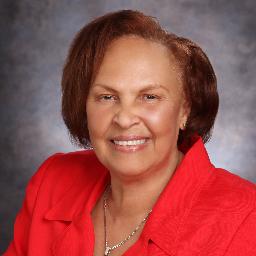
California · 20 yrs exp
LMFT - Stress and Life Changes
Stress, Anxiety · Relationship · Family · Parenting · +10 more
Read profile
California · 8 yrs exp
Licensed Marriage and Family Therapist - coping and transitions
Stress, Anxiety · Trauma and abuse · Grief · Parenting · +14 more
Read profile
California · 7 yrs exp
LMFT - Addictions and life changes
Stress, Anxiety · Addictions · Trauma and abuse · Self esteem · +1 more
Read profile
California · 36 yrs exp
California psychologist - Life changes and mood concerns
Stress, Anxiety · Sleeping · Self esteem · Depression · +1 more
Read profile
California · 21 yrs exp
Licensed MFT - Stress and life change support
Stress, Anxiety · Addictions · Relationship · Depression · +1 more
Read profile
California · 9 yrs exp
LMFT - Stress and life changes
Stress, Anxiety · Relationship · Self esteem · Coping with life changes · +6 more
Read profile
California · 11 yrs exp
Licensed Marriage and Family Therapist - Life changes and stress
Stress, Anxiety · Family · Parenting · Self esteem · +1 more
Read profileWhen you are navigating a major change - a move across the state or country, the end of a relationship, a career shift, becoming a parent, retirement, or the loss of someone close - your day-to-day life can feel unsettled. You may be managing grief, uncertainty about the future, competing responsibilities, or the practical work of building new routines. In that early stage you are often trying to make sense of what you have lost and what you need to build next. Therapy can be a place to explore those adjustments, consider options for coping, and practice new habits that reduce daily friction. You do not need a diagnosis to seek help for these kinds of transitions; many people come to therapy simply wanting support while they figure out what comes next.
As you look for someone to work with, think about the specific concerns that matter most to you. Do you want short-term support for practical problem-solving, or a longer relationship to explore deeper patterns? Are you dealing with acute stress, or a slow process of identity change? Reflecting on these questions before you read profiles will help you notice which therapists describe relevant focus areas, who mentions experience with similar changes, and who uses approaches that fit your preferences for exploration or direct skills practice.
The “listed location” on a profile groups therapists by the place they associate with their practice for directory purposes. A listed location does not by itself prove that a therapist maintains an office in that city, nor does it confirm licensing status. Profiles vary in how much detail they provide, so you should open individual profiles to see what each clinician shares and to confirm permission to work with you where you live. Licensing and permission to practice are regulated by state and national boards - degrees and titles tell part of the story but are not a substitute for checking current authorization to provide care in your area.
Degrees such as PhD, PsyD, MD, MA and MSW indicate academic and professional training. They do not automatically indicate a current license or registration. Licenses, which may be issued under titles such as Licensed Clinical Social Worker, Licensed Professional Clinical Counselor, Licensed Psychologist or Medical Doctor, are separate from academic degrees. When you read a profile, note how the clinician describes their degree and any license or registration information they choose to include. If a profile does not list current licensing details, ask about it directly before beginning sessions so you have clarity about their permission to work with you in California or in the place where you will be located during care.
Profiles often mention therapeutic approaches and populations served, but wording varies and does not prove specific certifications. You can use profiles to identify clinicians who describe the kinds of approaches you prefer - for example, therapists who list cognitive-behavioral approaches, psychodynamic work, mindfulness-based strategies, or those who list EMDR among their approaches. When you contact a clinician or prepare for an introductory conversation, have concrete questions ready so you can compare how well their approach fits your needs. Ask how they typically work with someone experiencing your kind of change, what a first few sessions might focus on, and how they track progress without expecting a fixed outcome.
You can also ask about experience with particular life transitions. Instead of assuming scope from a single phrase on a profile, ask clinicians to describe the nature of their work with people in similar situations - for example, what issues commonly arise when people relocate for work, how they help someone adjust to retirement, or what support they offer for new parents managing loss or identity shifts. Ask about the populations they have worked with and whether they have experience with cultural, linguistic or family considerations that are important to you. These questions will help you distinguish between profiles that mention a topic in passing and clinicians who focus much of their work on that area.
If you plan to meet with a therapist remotely, it is important to discuss practical and legal details ahead of time. Start by confirming that the clinician has permission to work with you in the place where you will be located during sessions, since rules can vary by jurisdiction. Clarify the technology you will use so you both understand how sessions will be conducted and what to do if technical issues interrupt a meeting. Talk about emergency plans - how the clinician handles crises or urgent concerns, including whom to contact locally if you require immediate in-person help. These conversations are about planning and safety, not guarantees of any outcome.
You should also review logistical questions such as session length, cancellation policies if the clinician discloses them on their profile, and how records are managed if that is important to you. If you have specific accessibility needs or language preferences, raise those early so you can determine whether a clinician’s approach and session format match what you need. A clear discussion before you begin helps you set expectations, understand boundaries, and focus on the work of adjusting to the transition at hand.
When comparing profiles, read beyond headline phrases to the descriptions where clinicians explain how they work and who they help. Look for language that clarifies whether they support short-term adjustment versus longer-term exploration, and whether they describe experience with the kinds of changes you face. Pay attention to the languages they report speaking - having a clinician who communicates in your preferred language can make it easier to express nuance during a transition. Also note references to cultural competence or experience with communities that matter to you, while remembering that lived experience and explicit training are not always the same thing.
Consider style as you read bios. Some clinicians describe a pragmatic, skills-focused style that concentrates on tools for coping and routine-building. Others describe a reflective approach that explores meaning, identity and relationships over time. Both styles can be helpful for transitions depending on what you need; the key is to match the clinician’s described style with your current goals. Finally, use profiles to prepare specific comparison questions such as asking about recent work with people who made similar life changes, what they prioritize in early sessions, and how they measure whether the work is meeting your needs. Verifying licensing and permission to practice in your location remains essential before you begin working together.
Addictions
1679 therapists
ADHD
1614 therapists
Anger
2155 therapists
Bipolar
1446 therapists
Control Issues
1105 therapists
Depression
3358 therapists
Grief
2554 therapists
Guilt and Shame
1949 therapists
Impulsivity
956 therapists
Intimacy Issues
1381 therapists
Isolation / Loneliness
1800 therapists
Mood Disorders
1455 therapists
Panic Disorder and Panic Attacks
1184 therapists
Post-Traumatic Stress
1615 therapists
Self Esteem
3535 therapists
Social Anxiety and Phobia
1763 therapists
Stress & Anxiety
4051 therapists
Trauma and Abuse
2661 therapists
Abandonment
906 therapists
Attachment Issues
1174 therapists
Career
1807 therapists
Caregiver Issues and Stress
1178 therapists
Coaching
914 therapists
Codependency
922 therapists
Communication Problems
2513 therapists
Compassion Fatigue
1579 therapists
Divorce
1178 therapists
Family
2450 therapists
Family of Origin Issues
759 therapists
Forgiveness
1810 therapists
Life Purpose
2154 therapists
Parenting
2039 therapists
Relationship
3001 therapists
Self-Love
2275 therapists
Workplace Issues
1224 therapists