
David Martin
LCSWIdaho · 18 yrs exp
Licensed Clinical Social Worker - Life changes and mood concerns
Stress, Anxiety · Trauma and abuse · Grief · Self esteem · +10 more
Read profileUS counselors who list coping with life changes
In crisis? Call or text 988Therapist listings come from BetterHelp. We will earn a commission at no extra cost to you if you use our links to buy.
A Licensed Clinical Social Worker (LCSW) is a clinical professional who has completed graduate social work education and met state licensure requirements to provide psychotherapy and related clinical services. Browse the verified LCSW therapists listed below to compare credentials, specialties, approaches, and languages.
Idaho · 18 yrs exp
Licensed Clinical Social Worker - Life changes and mood concerns
Stress, Anxiety · Trauma and abuse · Grief · Self esteem · +10 more
Read profile
Connecticut · 11 yrs exp
LCSW - Stress and life changes
Stress, Anxiety · Addictions · LGBT · Depression · +10 more
Read profile
New York · 20 yrs exp
LCSW in New York - Life changes and addiction support
Addictions · Trauma and abuse · Self esteem · Depression · +12 more
Read profile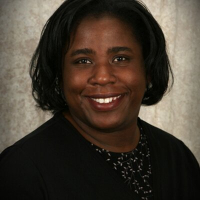
Minnesota · 15 yrs exp
Licensed Clinical Social Worker - Coping and Mood
Stress, Anxiety · Grief · Anger · Self esteem · +9 more
Read profile
Indiana · 15 yrs exp
LCSW - Stress and life changes
Stress, Anxiety · Relationship · Family · Trauma and abuse · +10 more
Read profile
Oklahoma · 15 yrs exp
LCSW - Stress and relationship support
Stress, Anxiety · Relationship · Grief · Self esteem · +10 more
Read profile
Colorado · 5 yrs exp
LCSW in Colorado - relationships and life changes
Stress, Anxiety · Relationship · Family · Trauma and abuse · +10 more
Read profile
California · 12 yrs exp
Licensed Clinical Social Worker - Life changes and mood concerns
Stress, Anxiety · Trauma and abuse · Grief · Self esteem · +12 more
Read profile
Missouri · 35 yrs exp
Licensed Clinical Social Worker - Stress and Life Changes
Stress, Anxiety · Trauma and abuse · Anger · Bipolar · +13 more
Read profile
Illinois · 10 yrs exp
Illinois LCSW - Life changes and relationships
Stress, Anxiety · Relationship · Trauma and abuse · Self esteem · +13 more
Read profile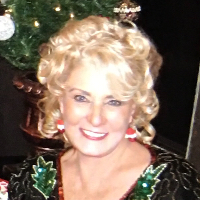
Florida · 40 yrs exp
Dr. Virginia Clark, LCSW - Stress and Life Changes
Stress, Anxiety · Addictions · Trauma and abuse · Grief · +16 more
Read profile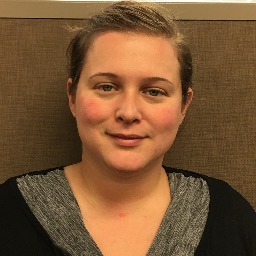
New York · 11 yrs exp
Licensed Clinical Social Worker - Life changes and trauma
Family · Trauma and abuse · Parenting · Bipolar · +11 more
Read profile
Utah · 11 yrs exp
LCSW - Stress and life changes
Stress, Anxiety · Addictions · Relationship · Trauma and abuse · +16 more
Read profile
Texas · 9 yrs exp
LICSW LCSW - Stress and Life Changes
Stress, Anxiety · Addictions · Family · Self esteem · +11 more
Read profile
Texas · 6 yrs exp
LCSW - Relationships and Life Changes
Relationship · Family · Parenting · Self esteem · +7 more
Read profile
Arkansas · 44 yrs exp
Licensed Certified Social Worker - Life changes and trauma
Stress, Anxiety · Trauma and abuse · Grief · Self esteem · +16 more
Read profile
Texas · 8 yrs exp
LCSW - Depression and anxiety focus
Parenting · Anger · Self esteem · Stress, Anxiety · +14 more
Read profile
New Jersey · 25 yrs exp
Licensed Clinical Social Worker - Life changes and relationships
Stress, Anxiety · Addictions · Relationship · Family · +14 more
Read profile
Georgia · 20 yrs exp
Licensed Clinical Social Worker - Life changes and relationships
Stress, Anxiety · Relationship · Family · Grief · +15 more
Read profile
Pennsylvania · 8 yrs exp
Licensed Clinical Social Worker - coping and transitions
Stress, Anxiety · Addictions · Family · Depression · +12 more
Read profile
Indiana · 10 yrs exp
Licensed Clinical Social Worker - Addictions and Trauma
Addictions · Trauma and abuse · Intimacy-related issues · Parenting · +12 more
Read profile
Florida · 12 yrs exp
Licensed social worker - Life changes and relationships
Stress, Anxiety · Addictions · Grief · Self esteem · +14 more
Read profile
Texas · 45 yrs exp
LCSW in Texas - Stress and Life Changes
Stress, Anxiety · Relationship · Family · Trauma and abuse · +8 more
Read profile
New Jersey · 12 yrs exp
Licensed Clinical Social Worker - Life changes and mood
Stress, Anxiety · Depression · Coping with life changes · Relationship · +8 more
Read profileIf you are exploring mental health options, understanding the LCSW title helps you know what to expect from a clinician who holds that credential. A LCSW designation is granted by a state licensing board after a clinician completes a graduate degree in social work, typically a Master of Social Work (MSW), and accumulates a period of supervised clinical experience. Candidates then pass a clinical-level licensing exam and meet any state-specific requirements for practice. Once licensed, many LCSWs maintain ongoing continuing education to meet renewal rules in their licensing jurisdiction. The combination of graduate education and supervised hours is designed to prepare clinicians for assessment, treatment planning, psychotherapy, and working with clients across a range of settings.
Because licensure is managed at the state level, the exact pathway and the number of required supervised hours vary. When you review a clinician's profile you may see mention of their MSW program, internship settings, or years of clinical practice. Those details help you build a clearer picture of their background. While licensure confirms a baseline of education and demonstrated competence in the legal and professional sense, you can look at specialties and therapeutic approaches to determine potential fit for your concerns.
When choosing a therapist, it helps to know how a LCSW's role typically compares to other mental health credentials. LCSWs are trained to provide psychotherapy, conduct clinical assessments, support care coordination, and connect clients with community resources and social services. That social work perspective often emphasizes understanding a person within their broader life context - family, community, work, and systems such as schools or healthcare. By contrast, psychologists usually hold doctoral degrees and may emphasize psychological testing and certain forms of assessment, while psychiatrists are medical doctors who can prescribe medication as part of treatment.
Licensed professional counselors and marriage and family therapists may have educational and training paths that differ from social work, with varied emphases on relationship systems or counseling models. What this means for you is that a LCSW can offer psychotherapy and also integrate attention to practical supports, resource navigation, and advocacy when those elements are important to treatment. When comparing clinicians, look at descriptions of focus areas, population served, and stated approaches to understand differences in orientation and practice.
LCSW therapists often work across a broad range of clinical concerns and settings. You may find clinicians who list specialties such as trauma, grief and loss, family relationships, child and adolescent concerns, perinatal mental health, substance use challenges, chronic illness adjustment, or aging-related needs. Many LCSWs also describe experience in areas like crisis intervention, school-based work, community mental health, and support for people navigating legal or housing systems. Because social work training emphasizes systems-level thinking, some LCSWs highlight skills in coordinating care, working with multidisciplinary teams, and connecting clients to community supports.
Therapeutic approaches you encounter on profiles may include cognitive-behavioral methods, psychodynamic-informed perspectives, mindfulness-based practices, solution-focused work, or approaches for processing trauma. Keep in mind that a listing of an approach on a profile indicates the clinician includes that method among their approaches but does not, by itself, verify specific certifications or levels of training. If a particular modality matters to you, you can ask a clinician about their experience using that approach with people who have concerns similar to yours.
Verifying a LCSW credential is an important step when you want confidence that a license is active and in good standing. The most reliable source for verification is the licensing board in the state where the clinician practices. State boards commonly provide online license lookup tools where you can enter a clinician's name or license number to confirm licensure status, expiration or renewal dates, and any formal disciplinary actions. Some boards also list the date of initial licensure and the type of license granted.
When you review a clinician profile, you may find a license number or a link to a board record. If that information is not present, it is reasonable to ask the clinician directly for license details and the state that issued the license. In addition to the state board record, you can review educational credentials listed on a profile, such as the MSW program attended, and ask about supervised clinical experience if that context is important to you. These verification steps help ensure that a clinician meets regulatory requirements for clinical practice in their jurisdiction.
Choosing a LCSW therapist may offer benefits if you want an approach that integrates clinical psychotherapy with attention to the social and practical aspects of life. If your concerns involve navigating systems like schools, hospitals, or social services, a LCSW's background in linking clients to community resources and advocating within systems can be especially helpful. Many clients value the blend of clinical perspective and problem-solving orientation that social work training supports.
When searching for the right LCSW, start by reading clinician biographies to learn about their focus areas, populations they list, and the languages they offer. Note any mention of working with issues similar to yours and whether they describe experience in settings that align with your needs. Consider practical questions such as session format - in-person, online, or hybrid - and how the clinician describes their approach to treatment and collaboration. It can be useful to schedule an initial consultation or message to get a sense of rapport and to ask targeted questions about how they work with people facing your specific concerns. Trust and comfort are central to therapy, so give attention to how you feel connecting with a clinician’s communication style and values.
Finally, balance objective verification with personal fit. Use state board checks and profile details to confirm credentials and professional standing. Use conversations and the clinician's stated specialties and approaches to judge whether their way of working is likely to meet your needs. Over time, you can reassess and make changes if your needs evolve. With careful review and intentional questions, you can find a LCSW therapist whose background and approach align with your goals for care.