License and NPI on record
- Credentials
- LMHC
- License
- LMHC, New York / 001358
- NPI
- 1124075007
- Experience
- 30 years
- Languages
- English
- Location
- New York
From the details this counselor gave BetterHelp. We do not verify them; a license can be checked with the state board.
-
- Stress and anxiety
- Coping with life changes
- ACT and CBT methods
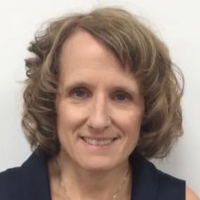
About Teresa
Teresa Gehman is a Licensed Mental Health Counselor (LMHC) in New York with 30 years of clinical experience. She works with stress, anxiety, grief, depression, relationship and intimacy concerns, parenting strain, addictions, and coping with life changes among other issues. Teresa also supports people facing LGBT-related concerns and compassion fatigue.
Teresa uses straightforward, practical conversations to help people sort through what feels most urgent. Sessions focus on concrete steps and patterns that get in the way of day-to-day functioning. She draws on several therapy styles to match how someone prefers to work rather than use a single method every time.
Her approach blends acceptance and commitment ideas with cognitive behavioral strategies and person-centered listening. Attachment-based work and solution-focused techniques are added when they fit a problem, such as relationship conflict or making a difficult life decision. The mix is used to identify goals and small actions that can ease stress and rebuild confidence.
People who come to Teresa often need help after a big change - a breakup, a new job, becoming a parent, loss, or health problems. She talks through coping skills, communication moves, and steps for managing mood and worry. Practical planning is paired with attention to patterns in relationships and self-view.
Teresa has worked in clinical settings for three decades and brings that experience to everyday problems. Her style is results-focused and conversational, with an emphasis on what clients can do between sessions. She offers services in English from her New York practice and does not work with international clients.
-
Therapeutic approaches and working online
Acceptance and Commitment Therapy (ACT) helps people notice difficult thoughts and feelings without getting stuck in them, then pick actions that align with their values. This approach can be useful for anxiety, depression, and choices after major life changes. Cognitive Behavioral Therapy (CBT) focuses on identifying unhelpful thinking and testing new behaviors to reduce symptoms and improve daily functioning; it often helps with anxiety, mood, and coping skills. Attachment-Based Therapy looks at how early and current relationship patterns affect trust, intimacy, and communication, which can be important when relationship or parenting issues appear.
Finding the right approach is part of the work. Teresa will collaborate with each person to decide which methods to try first, checking goals and preferences along the way. That makes sessions more practical and focused on what a person wants to change or manage now.
Confirm the session formats she currently offers before booking. Online sessions can make it easier to fit therapy into a busy day, allow for shorter check-ins when needed, and remove travel time so people can use breaks or evenings more easily. They also let a therapist see how a client describes real-life routines and challenges. Ask about the available formats when you schedule so the sessions match your daily life and needs. -
Areas of expertise
Primary focus
Also works with
AddictionsRelationship issuesFamily conflictsTrauma and abuseIntimacy-related issuesParenting issuesAnger managementSelf esteemBipolar disorderCoping with life changesCompassion fatigueAdditional focus areas
AbandonmentAging and geriatric issuesAttachment issuesAutism and Asperger SyndromeBody imageCancerCaregiver issues and stressChronic pain, illness, and disabilityCo-morbidityCodependencyCommitment issuesCommunication problemsControl issuesCoping with natural or human-caused disasterDivorce and separationDomestic violenceEating and food-related issuesEmptinessFamily problemsFatherhood issuesFirst responder issuesForgivenessGender dysphoriaGuilt and shameHospice and end-of-life counselingImpulsivityIntellectual disabilityIsolation / lonelinessJealousyLife purposeVeteran and Armed Forces IssuesMoney and financial issuesNarcissismObsessions, compulsions, and OCDPanic disorder and panic attacksPhobiasPolyamory / non-monogamous relationshipsPostpartum depressionPost-traumatic stressPregnancy and childbirthPrejudice and discriminationSeasonal Affective Disorder (SAD)Self-loveSocial anxiety and phobiaWomen's issuesYoung adult issuesTherapeutic approaches
Acceptance and Commitment Therapy (ACT)Attachment-Based TherapyClient-Centered TherapyCognitive Behavioral Therapy (CBT)Solution-Focused TherapyTrauma-Focused TherapyExperience
30+ years
Credentials
New York
Languages
English
-
Frequently asked questions
What kinds of concerns does she address?
She works with stress, anxiety, grief, depression, addictions, relationship and intimacy issues, parenting strain, LGBT-related concerns, and coping with life changes among other topics.
What is her therapeutic style?
Her style is practical and conversational, focusing on concrete steps and patterns that affect daily life. She combines listening with strategies to try between sessions.
How much experience does she have?
She has 30 years of clinical experience working across many concerns including trauma, mood issues, and life transitions.
What are her credentials and where does she practice?
She is a Licensed Mental Health Counselor (LMHC) licensed in New York and practices in New York.
Which languages are offered for sessions?
Sessions are offered in English.
Does she work with international clients?
She does not accept international clients at this time.
How are sessions scheduled and paid for?
Cost varies with location and sessions use a subscription that can be canceled at any time.
How do I begin working with her?
Select the See online therapy options button, complete a short matching questionnaire, and schedule a first session.
-
Online talk therapy is not emergency care, and no counselor can promise how a change will turn out. If you feel unsafe, call or text 988, or call 911. Crisis information