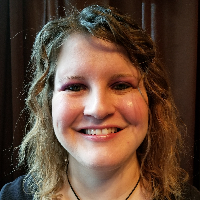
Miranda Kolde
LCSW
Indiana
Licensed Clinical Social Worker - Life changes and stress
License and NPI on record
- Credentials
- LCSW
- License
- LCSW, Indiana / 34008801A
- NPI
- 1477066538
- Experience
- 7 years
- Languages
- English
- Location
- Indiana
From the details this counselor gave BetterHelp. We do not verify them; a license can be checked with the state board.
-
- Stress and anxiety
- Acceptance based work
- Communication skills
About Miranda
Miranda Kolde is a Licensed Clinical Social Worker (LCSW) in Indiana with seven years of clinical experience. She works with people facing stress, anxiety, depression, addictions, trauma and abuse, parenting challenges, relationship and communication problems, grief, and coping with life changes.
She uses a client-centered approach that looks for strengths and practical solutions. Sessions focus on clear goals, skill building, and identifying resources a person already has. Miranda draws on techniques from acceptance and commitment therapy, cognitive behavioral strategies, dialectical behavior skills, and hypnotherapy when appropriate.
Her background includes community mental health work where quick assessment of immediate needs was routine. That experience shaped a practical style that balances short-term problem solving with deeper work on patterns and coping skills. She is used to working at a person’s pace and making stepwise plans together.
Miranda often addresses communication and boundary issues in relationships and has experience with domestic violence work, including work with people who have caused harm. She aims to help people notice what has helped them survive so far and build on those capacities.
Sessions emphasize concrete tools for day-to-day life, such as emotion regulation strategies, behavioral experiments, and acceptance-based practices. People meet to change specific reactions, reduce distress, and handle the demands of life transitions. Miranda works in English and practices in Indiana.
-
How her approaches translate to online sessions
Acceptance and Commitment Therapy (ACT) focuses on noticing thoughts and values-guided action. It helps people make space for difficult feelings while choosing actions that matter to them. Cognitive Behavioral Therapy (CBT) looks at the link between thoughts, feelings, and behaviors and uses experiments and practice to change unhelpful patterns. Dialectical Behavior Therapy (DBT) teaches concrete skills for emotion regulation, distress tolerance, and improving relationships.
Finding the right approach is part of the work. The therapist will collaborate with the person to pick or combine methods that fit their goals, preferences, and day-to-day needs. That decision can shift as progress is made and new issues come up.
Practical benefits of online work include fitting sessions into a busy schedule and making it easier to attend from wherever the person happens to be. Since the therapist’s biography does not list specific session formats, confirm the current options before booking so you know what to expect. Online sessions can allow for shorter check-ins, use of video or audio depending on comfort, and easier follow-up between meetings to practice skills learned in sessions. -
Areas of expertise
Primary focus
Also works with
Relationship issuesGriefIntimacy-related issuesParenting issuesAnger managementSelf esteemCareer difficultiesBipolar disorderCoping with life changesAdditional focus areas
AbandonmentAntisocial personalityAttachment issuesAutism and Asperger SyndromeChronic pain, illness, and disabilityCo-morbidityCodependencyCommitment issuesCommunication problemsControl issuesDependent personalityDisruptive Mood Dysregulation Disorder (DMDD)DissociationDivorce and separationDomestic violenceDrug and alcohol addictionEmptinessFamily problemsForgivenessGender dysphoriaGuilt and shameImpulsivityInfidelityIntellectual disabilityIsolation / lonelinessJealousyLife purposeMoney and financial issuesPanic disorder and panic attacksPersonality disordersPolyamory / non-monogamous relationshipsPost-traumatic stressProcess addiction (porn, exercise, gambling)Seasonal Affective Disorder (SAD)Self-harmSexual assault and abuseSexualitySmoking / vaping cessationSocial anxiety and phobiaWorkplace issuesYoung adult issuesTherapeutic approaches
Acceptance and Commitment Therapy (ACT)Client-Centered TherapyCognitive Behavioral Therapy (CBT)Dialectical Behavior Therapy (DBT)HypnotherapyMindfulness TherapyMotivational InterviewingSolution-Focused TherapyTrauma-Focused TherapyExperience
7+ years
Credentials
Indiana
Languages
English
-
Frequently asked questions
What kinds of problems does she help with?
She supports people with stress, anxiety, depression, addictions, trauma and abuse, relationship and intimacy concerns, grief, parenting strains, and coping with life changes.
What is her therapy style like?
Her style is client-centered and strengths-based, focusing on practical steps and skill building. Sessions mix short-term problem solving with work on patterns that affect daily life.
How much clinical experience does she have?
She has seven years of therapy experience, including work in community mental health settings where immediate needs and care planning were central.
What credential and location should I know about?
She holds an LCSW in Indiana and practices there.
What languages are offered and are international clients accepted?
Sessions are offered in English, and she accepts international clients.
Which session formats are available?
The original biography does not list specific session formats; please confirm current session options before booking.
How does cost and payment work?
Cost varies with location and sessions use a subscription that can be canceled at any time.
How do I begin working with her?
Start by selecting the See online therapy options button, completing a short matching questionnaire, and scheduling a first session.
-
Online talk therapy is not emergency care, and no counselor can promise how a change will turn out. If you feel unsafe, call or text 988, or call 911. Crisis information