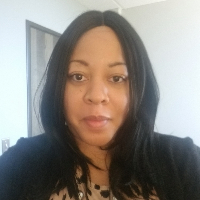
Latasha Shannon
LMSW, LCSW
Michigan
LCSW in Michigan - life changes and mood concerns
License and NPI on record
- Credentials
- LMSW, LCSW
- License
- LMSW, Michigan / 6801089411; LCSW, Arizona / LCSW-23255; LCSW, Kentucky / LCSW00001258
- NPI
- 1669754271
- Experience
- 19 years
- Languages
- English
- Location
- Michigan
From the details this counselor gave BetterHelp. We do not verify them; a license can be checked with the state board.
-
- Stress and anxiety
- Addiction support
- Mindfulness and CBT
About Latasha
Latasha Shannon is a Licensed Master Social Worker (LMSW) and Licensed Clinical Social Worker (LCSW) with 19 years of practice in Michigan. She works with people facing stress, anxiety, depression, addiction, trauma, relationship strain, grief, and other life changes.
She helps people talk through overwhelming feelings and the practical problems that follow big transitions. Sessions focus on clear goals, coping tools, and steps that fit daily life. She draws on approaches such as client-centered work, cognitive behavioral techniques, dialectical behavior ideas, emotionally focused methods, and mindfulness exercises.
Clients can expect straightforward conversations about what is happening now and what needs to change. The therapist uses skills training, thought restructuring, and emotion regulation strategies when these match a client's goals. She also addresses relationship patterns and intimacy-related concerns in session.
Latasha emphasizes culturally aware care and pays attention to each person’s background and life context. She works with issues that include career stress, compassion fatigue, abandonment, family problems, and end-of-life or hospice concerns. Practical problem solving and symptom management are common parts of the work.
Her experience includes supporting people with bipolar disorder, dissociation, substance use, anger and impulse control, and intellectual disability concerns. Sessions aim to help people manage symptoms, restore daily routines, and find clearer ways forward after change.
-
Approaches used and how online sessions work
Client-centered therapy focuses on the person’s own goals and priorities and involves reflective listening and collaborative planning. It helps when someone needs a steady, nonjudgmental space to sort through what matters and decide next steps. Cognitive behavioral therapy (CBT) looks at links between thoughts, feelings, and actions and uses exercises to change unhelpful patterns; it suits problems like anxiety, depression, and stress by offering practical skills. Dialectical behavior therapy (DBT) includes emotion regulation, distress tolerance, and interpersonal effectiveness techniques useful for managing intense emotions and impulsive behaviors.
Choosing the best approach is part of the work. The therapist will talk with the client about goals and try methods that match those goals. That collaborative process helps identify which skills and strategies feel most useful and realistic for daily life.
Session formats are not specified here, so confirm current options before booking. Online work can make it easier to fit therapy into a busy schedule, avoid travel time, and keep appointments during workday changes. Some formats also allow shorter check-ins or phone sessions when a quick touchpoint is needed, while video sessions support exercises that use visual cues and worksheets. The focus remains on matching methods and logistics to the client’s needs and routines. -
Areas of expertise
Primary focus
Also works with
Relationship issuesFamily conflictsGriefIntimacy-related issuesAnger managementSelf esteemCareer difficultiesCoping with life changesCompassion fatigueAdditional focus areas
AbandonmentAging and geriatric issuesAntisocial personalityCodependencyCommitment issuesCommunication problemsDissociationDivorce and separationDrug and alcohol addictionFamily problemsForgivenessGuilt and shameHospice and end-of-life counselingImpulsivityIntellectual disabilityIsolation / lonelinessMood disordersPersonality disordersPostpartum depressionPost-traumatic stressPregnancy and childbirthProcess addiction (porn, exercise, gambling)Seasonal Affective Disorder (SAD)Self-loveSocial anxiety and phobiaWomen's issuesWorkplace issuesTherapeutic approaches
Client-Centered TherapyCognitive Behavioral Therapy (CBT)Dialectical Behavior Therapy (DBT)Emotionally-Focused Therapy (EFT)Mindfulness TherapyMotivational InterviewingNarrative TherapyPsychodynamic TherapySolution-Focused TherapyTrauma-Focused TherapyExperience
19+ years
Credentials
Michigan, Arizona, Kentucky
Languages
English
-
Frequently asked questions
What kinds of concerns does she address?
She works with stress, anxiety, depression, trauma, addiction, relationship issues, grief, bipolar disorder, and coping with life changes among other concerns.
What is her general approach in sessions?
She uses client-centered conversations alongside practical techniques from cognitive behavioral therapy, dialectical behavior therapy, emotionally focused methods, and mindfulness to address immediate problems and long-term patterns.
How much experience does she have?
She has 19 years of clinical experience working with adults on a range of mental health and life transition issues.
What credentials and location are listed for this therapist?
She holds LMSW and LCSW credentials and practices in Michigan.
Which languages are supported for sessions?
Sessions are offered in English.
Does she work with international clients?
International clients are not currently accepted.
How are sessions billed or paid for?
Cost varies with location and sessions use a subscription that can be canceled at any time.
How do I begin if I want to book a session?
Begin by selecting the See online therapy options button, completing a short matching questionnaire, and scheduling a first session.
-
Online talk therapy is not emergency care, and no counselor can promise how a change will turn out. If you feel unsafe, call or text 988, or call 911. Crisis information