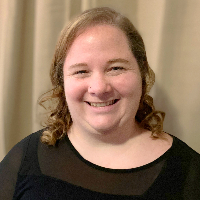
Kimberly Lincoln
LMHC, LCMHC
North Carolina
Licensed counselor - coping and relationships
License and NPI on record
- Credentials
- LMHC, LCMHC
- License
- LMHC, Florida / MH11737; LCMHC, North Carolina / 16638
- NPI
- 1023380177
- Experience
- 11 years
- Languages
- English
- Location
- North Carolina
From the details this counselor gave BetterHelp. We do not verify them; a license can be checked with the state board.
-
- CBT methods
- DBT skills
- Motivational interviewing
About Kimberly
Kimberly Lincoln is a Licensed Mental Health Counselor (LMHC) and a Licensed Clinical Mental Health Counselor (LCMHC) with 11 years of experience. She lists work with stress, anxiety, relationship and family concerns, trauma and abuse, depression, addictions, LGBT issues, grief, parenting and coping with life changes among her focus areas. She works in North Carolina and conducts sessions in English.
Kimberly has a background in counseling psychology with a master's degree completed in 2010. Her clinical work has included time supporting children and youth in the child welfare system and assisting families during crises to restore stability. She has also worked with women who are survivors of childhood sexual trauma, members of the LGBTQ community, couples, and men struggling with codependency and addictions.
Her approach centers on the individual client and what is needed in the moment. While she and a client may set longer-term goals, she notes that immediate stressors are sometimes prioritized so clients can refocus on those goals. This means sessions can shift between problem-solving for urgent concerns and working on longer-term skills and patterns.
Kimberly uses a range of clinical methods including Cognitive Behavioral Therapy (CBT), Dialectical Behavior Therapy (DBT), Motivational Interviewing, Emotionally-Focused Therapy (EFT), and Client-Centered Therapy. She also has experience with trauma-focused applications and treatments used with children and youth.
People come to her for help with everyday struggles and major life changes alike. She aims to help clients feel better in the areas that brought them to therapy and to work collaboratively on practical steps forward.
-
Therapeutic approaches used in online sessions
Client-Centered Therapy is about focusing on the client's perspective and priorities, giving room for the client to lead conversations and identify goals. It helps people clarify what matters most and build confidence in making choices.
Cognitive Behavioral Therapy (CBT) examines how thoughts and behaviors interact and offers concrete strategies to change unhelpful patterns. It is often used for anxiety, depression, and stress-related problems because it provides step-by-step skills to manage symptoms.
Dialectical Behavior Therapy (DBT) emphasizes practical skills for emotion regulation, distress tolerance, and improving relationships. It can be useful when strong emotions or conflicts get in the way of daily life or goals.
Finding the right approach is part of the work. The therapist will collaborate with the client to decide which methods fit the client's goals, needs, and preferences. That may mean prioritizing short-term problem-solving at first, then shifting to skills practice or deeper work over time.
Session formats are not specified in the biography, so confirm current options before booking. Online sessions can make it easier to fit therapy into a busy day, allow shorter check-ins when time is limited, and remove travel time. Those practical benefits help people maintain consistency while managing work, family, or life changes. -
Areas of expertise
Primary focus
Also works with
AddictionsLGBTGriefIntimacy-related issuesParenting issuesAnger managementSelf esteemCareer difficultiesBipolar disorderCoping with life changesCoachingCompassion fatigueADHDAdditional focus areas
AbandonmentAdoption and foster careAttachment issuesBlended family issuesBody imageCaregiver issues and stressCo-morbidityCodependencyCommitment issuesCommunication problemsControl issuesCoping with natural or human-caused disasterDisruptive Mood Dysregulation Disorder (DMDD)Divorce and separationDomestic violenceEating and food-related issuesEmptinessFamily of origin issuesFamily problemsForgivenessGender dysphoriaGuilt and shameImmigration issuesImpulsivityInfidelityIsolation / lonelinessLife purposeMood disordersObsessions, compulsions, and OCDPanic disorder and panic attacksPersonality disordersPhobiasPost-traumatic stressSeasonal Affective Disorder (SAD)Self-harmSexualityWomen's issuesWorkplace issuesYoung adult issuesTherapeutic approaches
Client-Centered TherapyCognitive Behavioral Therapy (CBT)Dialectical Behavior Therapy (DBT)Emotionally-Focused Therapy (EFT)Motivational InterviewingSolution-Focused TherapyTrauma-Focused TherapyExperience
11+ years
Credentials
Florida, North Carolina
Languages
English
-
Frequently asked questions
What kinds of issues does she address?
She works with stress, anxiety, depression, trauma and abuse, relationship and family concerns, addictions, grief, parenting challenges, and coping with life changes.
How does she approach therapy?
Her style focuses on the individual and what is needed in the moment, balancing immediate problem-solving with longer-term goals.
What is her clinical background?
She earned a master's degree in counseling psychology in 2010 and has 11 years of clinical experience working with children, youth, families, and adults.
What credentials and region are listed?
She holds LMHC and LCMHC credentials and practices in North Carolina.
Which languages does she offer sessions in?
Sessions are offered in English.
Does she work with international clients?
She does not accept international clients at this time.
How are fees and payment handled?
Cost varies with location, and sessions use a subscription that can be canceled at any time.
How do I begin working with her?
Use the See online therapy options button, complete the short matching questionnaire, and schedule a first session.
-
Online talk therapy is not emergency care, and no counselor can promise how a change will turn out. If you feel unsafe, call or text 988, or call 911. Crisis information
All counselors Surnames under L Counselors in North Carolina