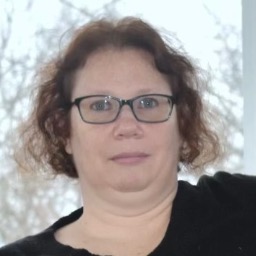
Joanette Pulskamp-Jackson
LCSW, CSW, LISW
Colorado
Licensed clinical social worker - Life transitions and trauma
License and NPI on record
- Credentials
- LCSW, CSW, LISW
- License
- LISW, Ohio / I.1000090-supv; LCSW, Colorado / CSW.09930845
- NPI
- 1548878218
- Experience
- 24 years
- Languages
- English
- Location
- Colorado
From the details this counselor gave BetterHelp. We do not verify them; a license can be checked with the state board.
-
- Stress and anxiety
- Coping with change
- CBT and ACT
About Joanette
Joanette Pulskamp-Jackson is a licensed clinical social worker with 24 years of experience working in Colorado and Ohio. She holds LCSW, CSW, and LISW credentials and focuses on stress, anxiety, trauma and abuse, grief, depression, addictions, and coping with life changes. Joanette helps people facing big transitions such as job loss, separation, becoming a parent, or illness.
She uses straightforward, client-centered methods to help people manage overwhelming feelings. Sessions typically involve talking through what is happening now, identifying practical steps, and practicing skills to handle stress and anxiety. Joanette draws on cognitive behavioral ideas to change unhelpful thinking and on acceptance and commitment ideas to clarify values and next steps.
Her background includes work with people dealing with caregiver stress, relationship and intimacy concerns, and issues linked to adoption, abandonment, and family of origin. She also supports those coping with addiction, bipolar disorder, sleep and eating problems, and attention difficulties. Her approach is informed by dialectical behavior techniques for emotion regulation and emotionally-focused ideas for improving communication.
Joanette accepts international clients and conducts sessions in English. She combines practical skill building with reflective conversation to help people find steadier footing during change. Cost varies by location and sessions use a subscription that can be canceled at any time.
To begin, people are asked to complete a short matching questionnaire and schedule a first session via the See online therapy options button. This helps match needs and plan first steps together.
-
Therapeutic approaches used in remote sessions
Acceptance and Commitment Therapy (ACT) helps people clarify what matters to them and take steps that match those values. It includes simple exercises to notice difficult thoughts and keep moving toward meaningful goals, which can help during big life changes or loss.
Cognitive Behavioral Therapy (CBT) focuses on the link between thoughts, feelings, and actions. In practice this means identifying unhelpful thinking patterns, testing them, and trying small behavior changes to reduce anxiety or low mood. This approach is often used for stress, anxiety, and depression.
Finding the right approach is part of the work and will be decided together. The therapist and client review needs, goals, and preferences to choose which methods to use and when to adjust them. This is a collaborative process rather than a fixed plan.
The original biography does not list specific session formats, so confirm current options before booking. Online sessions can make it easier to fit therapy into a busy day, allow shorter check-ins, or remove travel time. Some people prefer a session without video when bandwidth is limited or for a brief call during a work break; others choose video for fuller interaction. Discussing what will fit into daily life is part of the first steps. -
Areas of expertise
Primary focus
Also works with
AddictionsLGBTRelationship issuesIntimacy-related issuesEating disordersSleeping disordersParenting issuesAnger managementSelf esteemBipolar disorderCoping with life changesCompassion fatigueADHDAdditional focus areas
AbandonmentAdoption and foster careAging and geriatric issuesAttachment issuesAutism and Asperger SyndromeBlended family issuesCancerCaregiver issues and stressCodependencyCommunication problemsControl issuesDivorce and separationDomestic violenceDrug and alcohol addictionFamily of origin issuesFamily problemsFirst responder issuesForgivenessGuilt and shameHoardingHospice and end-of-life counselingImmigration issuesImpulsivityIntellectual disabilityIsolation / lonelinessJealousyVeteran and Armed Forces IssuesMoney and financial issuesMood disordersObsessions, compulsions, and OCDPanic disorder and panic attacksParanoiaPersonality disordersPostpartum depressionPost-traumatic stressPregnancy and childbirthSeasonal Affective Disorder (SAD)Self-harmSelf-loveSexual assault and abuseSmoking / vaping cessationWomen's issuesWorkplace issuesYoung adult issuesTherapeutic approaches
Acceptance and Commitment Therapy (ACT)Client-Centered TherapyCognitive Behavioral Therapy (CBT)Dialectical Behavior Therapy (DBT)Emotionally-Focused Therapy (EFT)Motivational InterviewingSolution-Focused TherapyTrauma-Focused TherapyExperience
24+ years
Credentials
Ohio, Colorado
Languages
English
-
Frequently asked questions
What kinds of concerns does she address?
She works with stress, anxiety, grief, depression, trauma and abuse, addictions, and coping with life changes among other concerns.
How would you describe her therapeutic style?
Her style is client-centered and practical, focusing on talking through current problems, teaching skills, and identifying next steps.
How much experience does she have?
She has 24 years of experience as a clinician working in Colorado and Ohio.
What are her credentials and where is she based?
She holds LCSW, CSW, and LISW credentials and practices in Colorado with licensure in CO and OH noted.
Which languages are sessions offered in?
Sessions are offered in English and she accepts international clients.
What session formats are used?
The original biography does not specify session formats; confirm current session options before booking.
How much do sessions cost?
Cost varies with location and sessions use a subscription model that can be canceled at any time.
How do I get started?
Click the See online therapy options button, complete the short matching questionnaire, and schedule a first session.
-
Online talk therapy is not emergency care, and no counselor can promise how a change will turn out. If you feel unsafe, call or text 988, or call 911. Crisis information