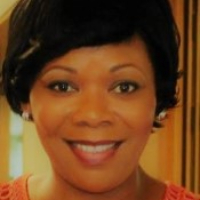
Dr. Deborah Harris-Sims
LPC
District of Columbia
Licensed counselor - Relationships and transitions
License and NPI on record
- Credentials
- LPC
- License
- LPC, District of Columbia / PRC14149; LPC, South Carolina / 8822
- NPI
- 1619247038
- Experience
- 20 years
- Languages
- English
- Location
- District of Columbia
From the details this counselor gave BetterHelp. We do not verify them; a license can be checked with the state board.
-
- Client-Centered Therapy
- Cognitive Behavioral Therapy
- Trauma-Focused Therapy
About Deborah
Dr. Deborah Harris-Sims is an LPC with 20 years of counseling experience based in the District of Columbia. She lists concerns she works with that include relationship issues, trauma and abuse, depression, anxiety, stress, and coping with life changes. She also notes experience with parenting, career challenges, addictions, grief, and intimacy-related issues.
Dr. Sims draws on approaches such as Client-Centered Therapy, Cognitive Behavioral Therapy, Psychodynamic Therapy, Solution-Focused Therapy, and Trauma-Focused Therapy. In sessions she listens for practical patterns that keep problems repeating. She helps people identify small, concrete steps to reduce distress and improve daily functioning.
Her background includes long experience across clinical settings and work with people affected by trauma, emotional abuse, and major life transitions. She names attachment and family of origin issues, abandonment, and adoption and foster care among her additional focus areas. That range supports work on separation, divorce, and other relationship shifts.
Sessions tend to focus on current problems and workable strategies. Techniques include identifying unhelpful thoughts, testing new behaviors, and exploring past relationships that shape present reactions. When trauma is a factor, she uses trauma-focused ways of addressing symptoms and coping. The tone is practical and direct, aimed at helping someone manage a big change.
People looking for help with moving through a breakup, starting a new job, becoming a parent, loss, or retirement will find a practitioner with long clinical experience in those kinds of concerns. Confirm specific session options before scheduling.
-
How her approaches translate to online work
Client-Centered Therapy focuses on listening and reflecting back what a person says to help them clarify their own goals and choices. It is useful for people facing a big life change who need to sort out priorities and values. Cognitive Behavioral Therapy (CBT) identifies patterns of unhelpful thinking and tests small behavior changes that can reduce anxiety and depression; it is often used for stress, worry, and mood problems. Trauma-Focused Therapy addresses the effects of traumatic events by building skills to manage symptoms and by processing traumatic memories in a paced way.
Choosing the best approach is part of the work. The therapist will talk with the client about what feels most relevant and practical, and then try methods that fit the client’s goals. This is a collaborative process and adjustments are made over time based on how the person responds.
The therapist's profile does not list specific session formats, so confirm current options before booking. Online sessions can make it easier to fit therapy into a busy day, allow shorter check-ins when needed, and remove travel time. Some formats also use less bandwidth or do not require video, which can help when a quick conversation is needed during a work break or between other commitments. -
Areas of expertise
Primary focus
Also works with
Stress, AnxietyAddictionsLGBTGriefIntimacy-related issuesEating disordersSleeping disordersParenting issuesAnger managementSelf esteemCareer difficultiesBipolar disorderCoachingAdditional focus areas
AbandonmentAdoption and foster careAntisocial personalityAttachment issuesAvoidant personalityCaregiver issues and stressCommitment issuesCommunication problemsControl issuesCoping with natural or human-caused disasterDependent personalityDissociationDivorce and separationEmptinessFamily of origin issuesFamily problemsFatherhood issuesFertility issuesForgivenessGuilt and shameImpulsivityInfidelityIsolation / lonelinessJealousyLife purposeVeteran and Armed Forces IssuesObsessions, compulsions, and OCDPanic disorder and panic attacksPersonality disordersPostpartum depressionPost-traumatic stressSelf-loveSexual assault and abuseSexualitySocial anxiety and phobiaWomen's issuesWorkplace issuesYoung adult issuesTherapeutic approaches
Client-Centered TherapyCognitive Behavioral Therapy (CBT)Psychodynamic TherapySolution-Focused TherapyTrauma-Focused TherapyExperience
20+ years
Credentials
District of Columbia, South Carolina
Languages
English
-
Frequently asked questions
What kinds of problems does she work with?
She lists relationship issues, trauma and abuse, depression, anxiety, stress, addictions, grief, parenting, career concerns, and coping with life changes among her focus areas.
What is her therapeutic approach?
She uses Client-Centered Therapy, Cognitive Behavioral Therapy, Psychodynamic Therapy, Solution-Focused Therapy, and Trauma-Focused Therapy to address problems in practical ways.
How much clinical experience does she have?
She has 20 years of counseling experience working across a range of settings and presenting concerns.
What are her credentials and where is she based?
She is an LPC licensed in the District of Columbia and practices from that location.
Can I work with her if I live outside the US?
She accepts international clients and offers services to people outside the United States.
Which session formats are offered?
The original profile does not specify session formats; confirm current session options before booking to know whether video or phone sessions are available.
How does pricing work?
Cost varies with location and sessions use a subscription model that can be canceled at any time.
How do I begin a first session?
Select the See online therapy options button, complete the short matching questionnaire, and then schedule a first session.
-
Online talk therapy is not emergency care, and no counselor can promise how a change will turn out. If you feel unsafe, call or text 988, or call 911. Crisis information
All counselors Surnames under H Counselors in District of Columbia