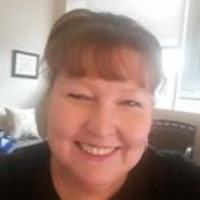
Casey Myers
LPC
Arkansas
Licensed Professional Counselor - Coping with life changes and relationships
License and NPI on record
- Credentials
- LPC
- License
- LPC, Arkansas / P1903039
- NPI
- 1366709347
- Experience
- 3 years
- Languages
- English
- Location
- Arkansas
From the details this counselor gave BetterHelp. We do not verify them; a license can be checked with the state board.
-
- Attachment-based work
- Client-centered methods
- CBT strategies
About Casey
Casey Myers is an Arkansas Licensed Professional Counselor (LPC) with three years of post-licensure experience. She works with adults on stress, anxiety, grief, self-esteem, depression, coping with life changes, addictions, LGBT concerns, trauma and abuse, and related issues. Casey helps people who are facing big changes such as breakups, job transitions, becoming a parent, illness, or loss.
She uses straightforward, practical methods in sessions. Casey draws on attachment-based ideas to look at how relationships shape reactions. She uses client-centered techniques to keep conversations focused on the person's priorities. Cognitive behavioral strategies are used to spot unhelpful thinking and build new behaviors.
Before becoming an LPC she worked extensively in children and family services and completed two master's degrees in Clinical Mental Health Counseling and Marriage and Family Therapy. That background informs how she thinks about relationship patterns and role changes that come with life events.
Casey sees the therapeutic relationship as a partnership that relies on communication, honesty, and committed effort. She frames work in concrete steps - clarifying goals, practicing new skills, and checking progress between sessions. Many people choose her to get practical coping tools and clearer next steps during a life transition.
Sessions are conducted in English. International clients are accepted. Cost varies with location and uses a subscription that can be canceled at any time. To begin, clients complete a short matching questionnaire and schedule a first session through the site.
-
Approaches used and how online sessions work
Casey uses attachment-based ideas to look at how relationships and past bonds influence current reactions. This approach helps when patterns from earlier relationships affect trust, closeness, or conflict in the present. Client-centered work means sessions are guided by what the client brings; the therapist listens and reflects while helping the person set the agenda. Cognitive Behavioral Therapy (CBT) focuses on identifying unhelpful thoughts and testing new behaviors, which is useful for anxiety, low mood, and stress.
Finding the right approach is part of the work. Casey will discuss different methods with each person and decide together which mix fits best for their goals and situation. That collaborative process can be adjusted over time as needs change during a life transition.
The original biography does not list specific online formats, so confirm current session options before booking. In general, online sessions can make it easier to fit therapy into a busy schedule, shorten travel time, and allow for shorter check-ins when needed. Some formats also require less bandwidth and can reduce the need to be on camera for every visit. Talk with the therapist about practical preferences so sessions fit into daily life without disrupting other responsibilities. -
Areas of expertise
Primary focus
Also works with
AddictionsLGBTTrauma and abuseIntimacy-related issuesSleeping disordersAnger managementBipolar disorderADHDAdditional focus areas
AbandonmentAdoption and foster careAging and geriatric issuesAttachment issuesBDSM, kink, and alternative sex cultureBlended family issuesBody imageCaregiver issues and stressChronic pain, illness, and disabilityCodependencyControl issuesDependent personalityDivorce and separationDomestic violenceEmptinessFamily problemsForgivenessGuilt and shameImpulsivityIsolation / lonelinessJealousyLife purposeMood disordersNarcissismObsessions, compulsions, and OCDPanic disorder and panic attacksPersonality disordersPolyamory / non-monogamous relationshipsPostpartum depressionPost-traumatic stressProcess addiction (porn, exercise, gambling)Seasonal Affective Disorder (SAD)Self-loveSexual assault and abuseSexual dysfunctionSexualitySmoking / vaping cessationSocial anxiety and phobiaWomen's issuesTherapeutic approaches
Attachment-Based TherapyClient-Centered TherapyCognitive Behavioral Therapy (CBT)Dialectical Behavior Therapy (DBT)Eye Movement Desensitization and Reprocessing (EMDR)Mindfulness TherapyMotivational InterviewingNarrative TherapySolution-Focused TherapyTrauma-Focused TherapyExperience
3+ years
Credentials
Arkansas
Languages
English
-
Frequently asked questions
What kinds of life changes does she help with?
She works with adults experiencing moves, breakups, job changes or losses, becoming a parent, illness, retirement, and other major life transitions.
How would sessions feel or flow?
Sessions focus on concrete steps: clarify goals, practice skills, and review progress. Conversations are guided by the client's priorities.
How much clinical experience does she have?
Casey holds three years of experience as an LPC and many prior years in children and family services, plus two master's degrees in counseling fields.
Is she licensed and where does she practice?
She is an Arkansas Licensed Professional Counselor (AR LPC) and practices from Arkansas.
Which languages are supported for sessions?
Sessions are offered in English and she also accepts international clients.
What session formats are available?
The original biography does not specify session formats. Confirm current session options before booking to know how sessions are delivered.
How are fees and billing handled?
Cost varies with location and sessions use a subscription model that can be canceled at any time.
What do I do to start working together?
Select the See online therapy options button, complete the short matching questionnaire, and then schedule a first session.
-
Online talk therapy is not emergency care, and no counselor can promise how a change will turn out. If you feel unsafe, call or text 988, or call 911. Crisis information