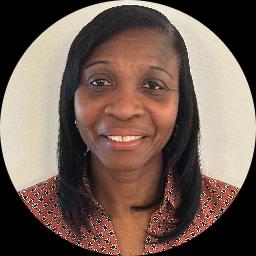
License and NPI on record
- Credentials
- LMHC
- License
- LMHC, New York / 017510
- NPI
- 1053281873
- Experience
- 4 years
- Languages
- English
- Location
- New York
From the details this counselor gave BetterHelp. We do not verify them; a license can be checked with the state board.
-
- Stress management
- Addiction support
- Grief and loss
About Carol
Carol Gilbert-Tuck is an LMHC (Licensed Mental Health Counselor) practicing in New York with four years of experience. She works with people facing depression, anxiety, stress, addiction concerns, grief, and coping with life changes. Her practice emphasizes straightforward support for those handling big transitions.
Gilbert-Tuck uses evidence-based therapeutic techniques to help people manage symptoms and rebuild daily routines. She offers practical strategies for mood regulation, managing anxiety, and addressing substance use concerns. Therapy sessions focus on clear goals, coping skills, and step-by-step problem solving rather than vague reassurance.
She also addresses guilt, shame, social isolation, and issues commonly reported by veterans and those with post-traumatic stress. Work on these topics often includes identifying unhelpful patterns, testing new behaviors, and building supports that fit day-to-day life.
Carol explains therapy tasks in plain terms and sets achievable steps between sessions. Clients can expect regular check-ins on progress and adjustments to the plan when needed. The emphasis is on practical changes that make routines and relationships easier to manage.
Before a first appointment she asks people to outline current concerns and recent changes that brought them to therapy. That information helps shape an initial plan and clear next steps for follow-up sessions.
-
Approaches used in online sessions
Carol uses evidence-based therapeutic techniques that focus on practical change. One common approach is problem-focused skills work, which breaks larger issues into manageable steps and teaches concrete ways to reduce anxiety and improve daily functioning.
Another frequently used method involves structured strategies for mood and trauma-related symptoms. These strategies help people notice unhelpful thoughts, try different responses, and practice new behaviors to reduce avoidance and isolation.
Finding the right approach is part of the work. Carol will review your concerns, goals, and preferences and then suggest techniques to try. That suggestion is collaborative and can be adjusted based on what helps in practice.
If you plan to use online sessions, confirm the exact formats before booking since the biography does not list specific session types. Online therapy can make it easier to fit appointments into a busy week, reduce travel time, and allow shorter check-ins when a full in-person session is difficult. It also lets people continue work during life transitions like a move or a change in job without needing to pause care. -
Areas of expertise
Primary focus
Additional focus areas
Drug and alcohol addictionGuilt and shameIsolation / lonelinessVeteran and Armed Forces IssuesMood disordersPost-traumatic stressExperience
4+ years
Credentials
New York
Languages
English
-
Frequently asked questions
What issues does she help with?
She addresses stress, anxiety, addictions, grief, depression, and coping with life changes as listed in her profile.
What is her therapeutic style?
She uses evidence-based techniques focused on practical skills, goal setting, and step-by-step problem solving.
How much experience does she have?
She has four years of clinical experience working with the concerns listed in her profile.
What are her credentials and location?
She is an LMHC licensed in New York and practices there.
Which languages are sessions offered in?
Sessions are offered in English only.
Can international clients work with her?
She is not currently accepting international clients.
How much do sessions cost?
Cost varies by location and sessions use a subscription that can be canceled at any time.
How do I begin a first session?
Select the See online therapy options button, complete the short matching questionnaire, and schedule an initial appointment.
-
Online talk therapy is not emergency care, and no counselor can promise how a change will turn out. If you feel unsafe, call or text 988, or call 911. Crisis information